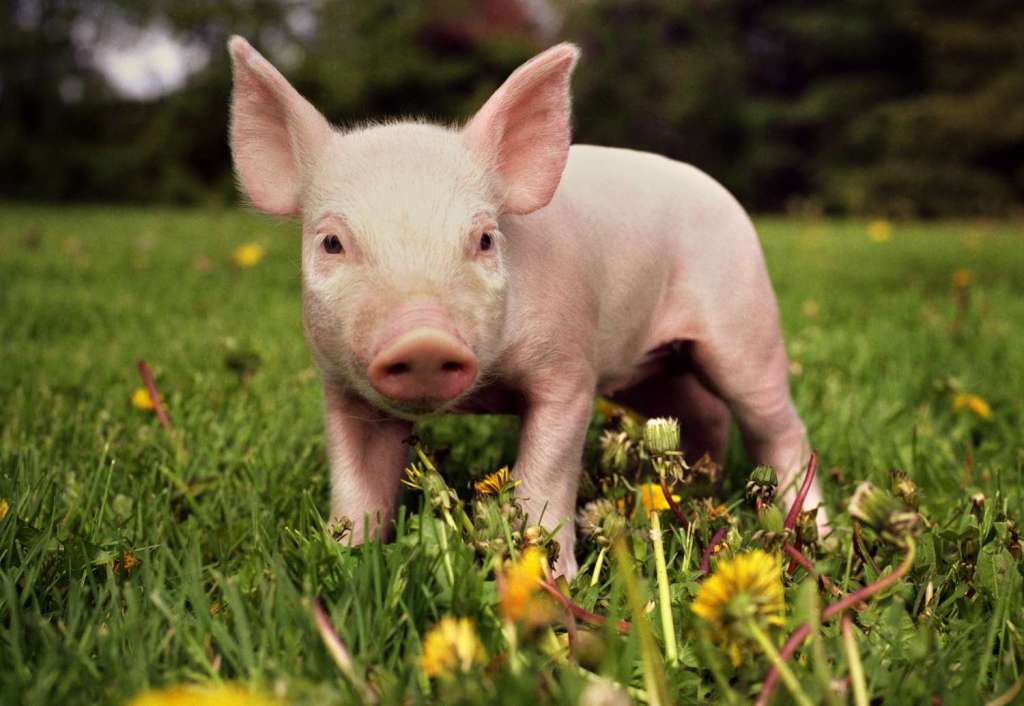
Many scientific and medical advancements over the centuries relied on research using animals. Undoubtedly, the human species has benefited from a better quality of life and longevity at the expense of animal experimentation. However in modern society, the use of animals in scientific and medical experimentation is a heated subject that has notoriously been portrayed as inhumane. So the question, a complicated one, is whether or not it is ethical for the human race to benefit and thrive off the suffering of animals. Julian Koplin faced this issue in his article “Can we ethically justify harming animals for research” published December 19, 2022 in The Conversation.
The use of animals in medical research is increasingly complex as our modern day views and understanding of animal sentience and consciousness expands. The issue was more primitive several hundred years ago. For example, as Koplin points out, in the 17th century, philosophers such as René Descartes “believed [animals] lack a soul and a mind, and are therefore incapable of suffering.” So for philosophers such as Descartes, the question ended there. Without animal suffering, the practice of animal experimentation was morally justified. In addition, Kaplan notes that deontologists, like Immanuel Kant, believed that the ability for humans to have rational thoughts earns us our rights. Conversely, because historically it was believed that animals did not have rational thought, animals should not have rights similar to humans.
These points of view against animal rights have been challenged by various philosophical schools of thought over the years. For example, Utilitarians and Virtue Ethicists would advocate against experimentation of animals as immoral and wrong. A utilitarian argument would focus on the animal suffering as the key point, as utilitarians generally believe that all suffering is equally wrong no matter who or what species is suffering. Virtue ethicists would share a similar view on animal experimentation, because virtue ethicists generally are against any behavior that attributes to what is considered a negative character such as experimentation, which Kaplan described as “callousness and cruelty”.
Personally, I believe that the use of animal research at some level is necessary for the advancement of humankind. While I understand this is a complicated issue, I agree with Andrew Knight’s sentiment stated in the article “Should we give other animals rights?” by Michael Brooks published in NewScientist on July 5, 2017, “Although sentient animals should have key moral rights respected, it makes no sense to give them the same legal rights as humans.”
Given the importance of animal research to humankind, it is important that we analyze the ethics of this situation correctly. Kaplan describes a measured approach, characterized by the “three R’s”, which I believe is an appropriate framework for dealing with this difficult question. The “three R’s” are replace, refine, and reduce. First, “replace” means that an animal can be replaced in a scientific experiment, it is encouraged that the scientists do so with an equally useful strategy. Second, “refine” means it is encouraged that the amount of pain administered to an animal is refined, and only the bare amount is administered. Finally, means the reduction of animals used in an experiment and promotes the bare minimum of animal usage.
There is more to be gained by the human population as a result of animal experimentation in medical research, therefore while it is possible that my views may change as our science learns more about animal sentience and consciousness, in general, I believe it is moral and ethical for a measured and thoughtful approach to the animals in research is applied. I think the “three Rs” a useful framework to try and balance scientific and medical advancements with humane treatment of animals. Think about it.
 Think About It
Leave a comment