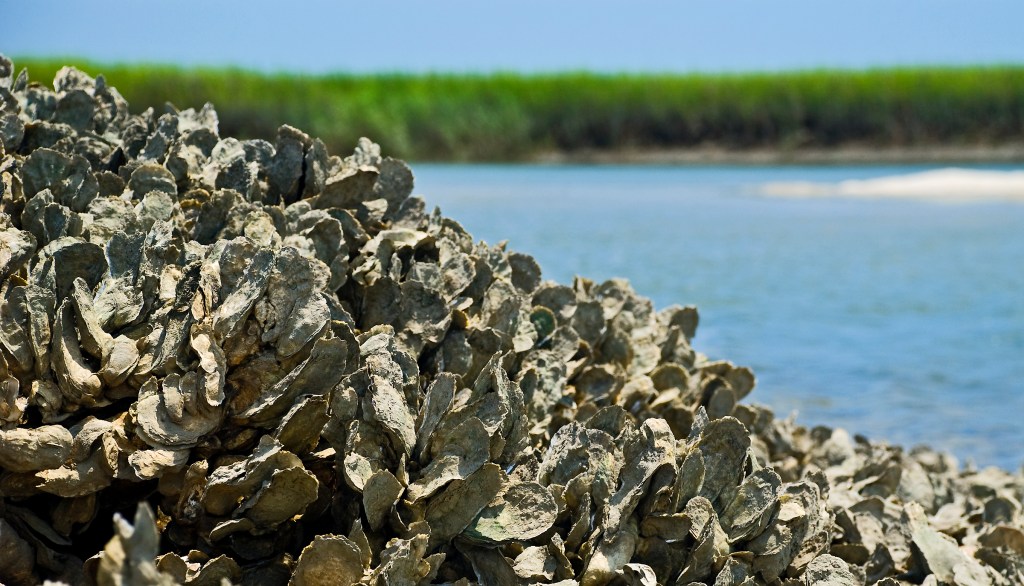
Oysters are truly a miracle animal. Despite being a common seafood dish, oysters play a vital role in the sanitation of water. They naturally cleanse tiny phytoplankton from water, which has many benefits with no drawbacks. However, oysters are under attack. Increased oyster farming and water pollution are killing these precious animals at unprecedented rates, with detrimental effects that can already be seen today. Furthermore, the number of people who care about this issue are vastly outweighed by the people who do not. This sort of apathy for animals has roots in the earliest days of Western civilization, with philosophers like Diogenese the Cynic, Augustine of Hippo, and Thomas Aquinas rationalizing these beliefs. Fortunately, we live in more progressive times, and the rising number of animal rights movements are creating a society that is more aware of animal rights issues, including as they relate to oysters. An article on the website One Earth called “Oysters: nature’s water filtration system”, by Channing Sargent, was published in November of 2021 and discusses the importance of oysters.
In her article, Sargent talks about both the decline and impact of oysters in the specific example of Chesapeake Bay. Sargent wrote “The oysters in the Chesapeake Bay could once filter a volume of water equal to that of the entire Bay (about 19 trillion gallons) in a week.” Sargent goes on to write about how, unfortunately, the oyster population is in decline and due to that “it would take the remaining Bay oysters more than a year” to filter that same amount of water. Further, David Malmquist, in an article for the Virginia Institute of Marine Science, published in February of 2011, called “Loss of oyster reefs a global problem, but one with solutions,” points out a similar problem. Malmquist notes the decline of oysters and how “[almost] 85% of Earth’s oyster reefs have been lost, typically due to overharvesting, habitat degradation, and disease.” Obviously, the degradation of the oyster population described by Sargent and Malmquist is drastic and its effect cannot go unnoticed.
Thankfully, the decline of oysters is becoming widely known, with more and more foundations raising both money and awareness for oysters. Although the sentiment for animals is vital for the reestablishment of oysters into their habitats, these ideas are relatively new in the grand scope of ethics and philosophical thought. Thomism, a philosophical concept made by Thomas Aquinas, states that God made animals for man, and that man should not feel pity or guilt for the use and consumption of animals. This type of thinking supported a lack of care for animals and laid a moral foundation for animal cruelty. However, in recent years we have seen the rise of advocacy for the care for animals from foundations, like PETA or the Humane Society of the U.S. Thanks to these organizations, we have learned to think more about the needs of animals and the ethics regarding the treatment of animals. As a result, people today are more aware of the positive impact animals have on society, particularly in ways that aren’t always obvious.
The over-hunting of oysters, in addition to other factors, has decimated their population. The decline of oysters has serious repercussions to the environment, such as a decline in water cleanliness, which is a whole different issue that has its own consequences. Hopefully, we continue to steer away from out of date philosophies regarding the treatment of animals, like Thomism, and improve our world by saving the animals who share this planet with us.
 Think About It
Leave a comment